

Table of Contents
- Understanding Barber Clipper Blades for Professional Use
- Ceramic vs Steel Clipper Blades: Which Performs Better
- Best Clippers for Smooth Skin Fades
- Clipper Blade Maintenance Tips for Longevity
- Compatibility and Replacement Frequency
- Choosing Professional-Grade Blades for Your Shop
- Conclusion
Last Updated: August 18, 2026
Understanding Barber Clipper Blades for Professional Use
Selecting the right barber clipper blades determines cutting performance, skin comfort, durability, and efficiency. The wrong blade choice creates friction, heat buildup, hair pulling, and faster dulling. This guide covers everything you need to make informed decisions about barber clipper blades, from mechanical differences between detachable and adjustable systems to the material science separating ceramic from steel, and the maintenance routines that keep blades performing at their peak.
Detachable vs. Adjustable Blade Mechanisms
Detachable blade systems let you swap the entire blade assembly in seconds. Professional barbers often prefer detachable systems for high-volume work because they eliminate the need to adjust lever positions mid-cut. The trade-off is inventory, you'll need multiple blade sets to cover your typical cutting lengths, which increases cost upfront.
Adjustable blade mechanisms use a lever on the clipper body to move the blade forward and backward, changing the effective cutting length without removing the blade. A single adjustable blade can deliver multiple cutting lengths, saving money on blade inventory. The limitation is precision, lever adjustments can drift under repeated use, and some barbers find they need to readjust mid-cut to maintain consistency.
Most professional shops use a hybrid approach: detachable blades for primary cutting work and an adjustable clipper as a backup or for detail work.
Blade Materials and Durability
Stainless steel blades are the industry standard. They're affordable, durable, and proven over decades of professional use. The downside is heat generation, stainless steel conducts heat into the blade during cutting, which can cause discomfort for clients with sensitive skin and accelerates blade dulling.
Ceramic-coated blades feature a ceramic coating applied to a steel base. The ceramic reduces friction during cutting, meaning less heat buildup and longer edge retention. Ceramic blades stay sharper longer and run cooler, reducing client discomfort. The cost is higher than stainless steel, but the extended lifespan and performance advantages often justify the investment for busy shops.
For barbers just starting out, stainless steel is sufficient. As you scale to high-volume work, ceramic-coated blades become worth the investment because they reduce the frequency of blade replacement and sharpening.
Ceramic vs Steel Clipper Blades: Which Performs Better
Heat Reduction and Skin Sensitivity
Heat buildup during cutting is a genuine problem in high-volume barbering. Ceramic coatings reduce friction by up to 30 percent compared to bare steel. Less friction means less heat, and clients notice this immediately, the clipper feels cooler and more comfortable. For barbers working on clients with sensitive scalps or razor bumps, ceramic blades make a measurable difference in client comfort and satisfaction.
The heat reduction also protects the blade itself. Excessive heat accelerates dulling by breaking down the edge at a microscopic level. A ceramic-coated blade that runs cooler maintains its edge longer, which means fewer sharpenings and longer intervals between replacements.
Corrosion Resistance and Longevity
Both stainless steel and ceramic-coated blades resist corrosion, but ceramic provides an additional layer of protection. Ceramic coating acts as a barrier between the steel base and corrosive elements, extending the effective lifespan of the blade. For barbers who sanitize blades frequently, ceramic coating reduces visible wear and degradation. A ceramic-coated blade under the same conditions lasts noticeably longer, often 20-30 percent more cutting time before sharpening becomes necessary.
Best Clippers for Smooth Skin Fades
A smooth skin fade requires precise blade alignment, consistent cutting length, and a blade geometry designed for taper work.
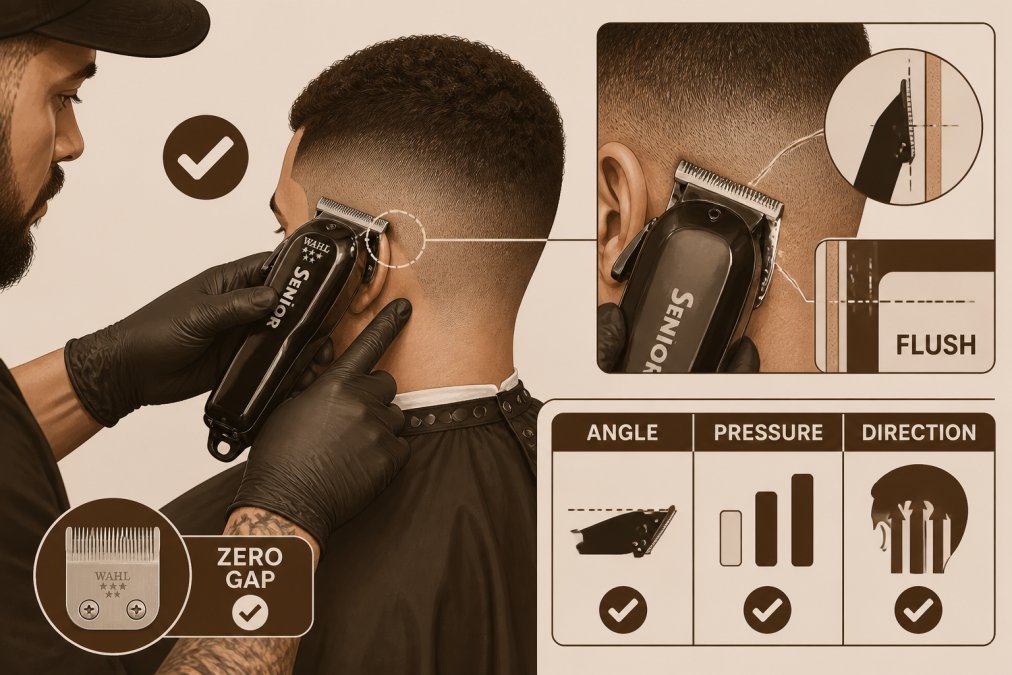
Blade Alignment and Zero-Gap Performance
Blade alignment is the foundation of smooth fades. If your blade teeth don't line up perfectly with the clipper body, you'll get uneven cutting, hair pulling, and visible lines in the fade.
Zero-gap blades are designed to sit flush against the clipper body with no space between the blade edge and the body. This eliminates the risk of hair getting caught in gaps and ensures uniform cutting across the entire blade width. For fade work, zero-gap performance is essential. When testing a clipper and blade combination, run your finger gently across the blade edge where it meets the body, you shouldn't feel any gap or step.
Taper and Fade Blade Options
Taper blades have a gradually changing tooth pitch that creates a subtle transition in cutting length. They're designed to blend guard lengths smoothly without visible lines.
Fade blades are designed for skin-tight finishes. They cut extremely close to the skin, leaving minimal hair. Fade blades typically have uniform tooth pitch across the entire blade width and smaller, more densely packed teeth than taper blades, allowing for closer cutting without pulling hair.
For barbers specializing in modern fades, fade blades are essential. For traditional taper cuts and blends, taper blades excel. Many professionals carry both and select based on the specific cut.
Clipper Blade Maintenance Tips for Longevity
Proper maintenance is the difference between a blade that lasts months and one that fails in weeks.
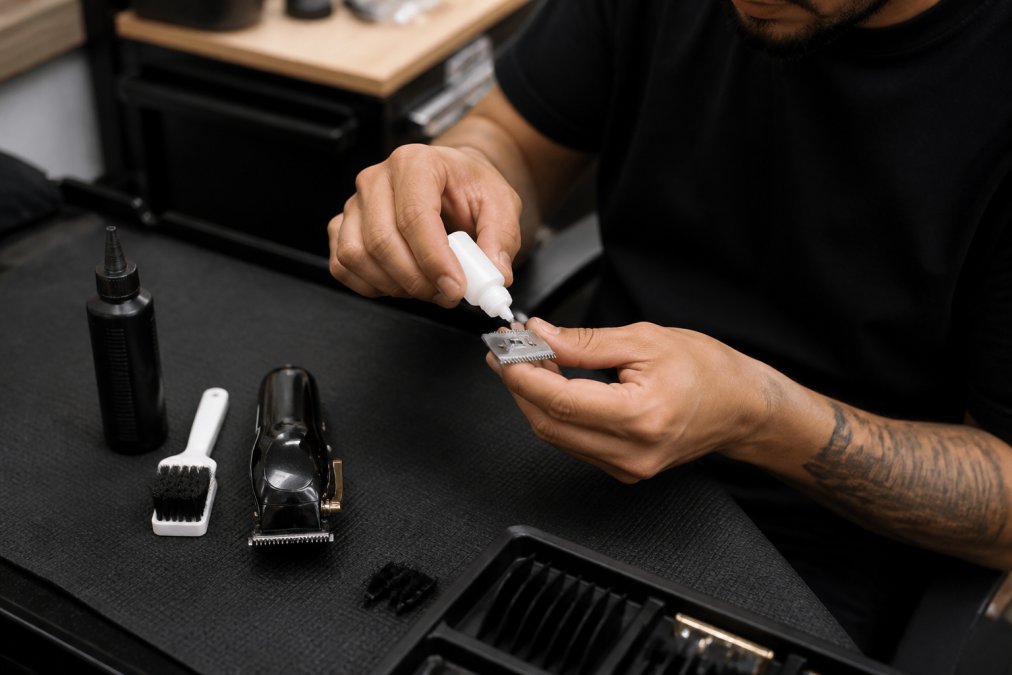
Daily Cleaning and Oiling Routine
After each client, remove loose hair from the blade using a soft brush. Don't use compressed air, which can force hair and moisture into the clipper mechanism. Once the blade is clean, apply a light oil to the blade teeth using clipper oil specifically formulated for this purpose. Apply oil to both sides of the blade, focusing on the cutting edges. A few drops is enough. Wipe away excess with a clean cloth and run the clipper for a few seconds to distribute the oil evenly. This daily routine takes 30 seconds per blade and prevents rust, reduces friction, and keeps the blade performing consistently.
Weekly, soak your blades in a sanitizing solution appropriate for your shop's protocol. After soaking, dry them completely and apply a light coat of oil.
Sharpening and Blade Alignment Troubleshooting
When you notice increased resistance or hair pulling, your blade needs sharpening. Professional blade sharpening services are available through barber supply companies and specialized sharpening shops. Professional sharpening is worth the cost, improper home sharpening can damage the blade geometry.
If a blade is pulling hair despite being sharp, the problem is likely alignment. Check that the blade sits flush against the clipper body. If there's a visible gap, the blade may be worn or the clipper body may be damaged. Remove the blade, clean both surfaces thoroughly with a dry cloth, and reinstall. This often resolves minor alignment problems.
Compatibility and Replacement Frequency
Not all blades fit all clippers. Clipper manufacturers use different attachment systems, and a blade designed for one brand won't fit another.
Finding the Right Blade for Your Clipper Model
Most clipper manufacturers publish compatibility guides listing which blades work with which clipper models. Check your clipper documentation or contact the manufacturer directly. When ordering, include your clipper brand and model number to ensure you receive blades that fit properly.
When to Replace Your Blades
Blade replacement depends on cutting volume and maintenance quality. A blade used in a high-volume shop cutting 20-30 heads daily may need replacement every 4-8 weeks. A blade used by a mobile barber cutting 8-10 heads daily might last 3-4 months.
Signs that a blade needs replacement include persistent hair pulling despite sharpening, visible damage to the cutting edge, and rust or corrosion that doesn't clean away. Budget for blade replacement as a regular business expense, the cost is minimal compared to the impact on your work quality and client satisfaction.
Choosing Professional-Grade Blades for Your Shop
Professional-grade blades differ from consumer equipment in manufacturing precision, material quality, and performance consistency.
High-Volume Shop Requirements
Shops cutting 100+ heads daily need blades engineered for sustained performance. High-volume shops benefit from detachable blade systems because they allow quick swaps between cutting lengths without adjustment. They also need blades with superior heat management and edge retention. Ceramic-coated blades make sense in this context, the extended lifespan and reduced heat generation pay for themselves through fewer replacements and reduced client complaints. Professional-grade stainless steel blades are the minimum acceptable standard.
Shop owners should establish a blade rotation system, keeping several blade sets in use and rotating them through cleaning and maintenance. Consider bulk purchasing through barber supply companies like Fade Supply Co, which offers dependable professional-grade blades with quick shipping.
Budget Considerations for Students and Mobile Barbers
Students and mobile barbers operate under different constraints. Adjustable blade systems make more sense because they reduce the number of blades you need to carry and maintain. Stainless steel blades are sufficient for learning and building a client base. As your business grows and cutting volume increases, upgrading to ceramic-coated blades becomes worthwhile.
Mobile barbers benefit from compact, durable equipment that performs reliably in various environments. Quality matters more than quantity, one excellent blade set that you maintain properly is better than multiple mediocre blades. Fade Supply Co's focus on dependable professional-grade tools makes them a natural fit for barbers building their practice.
Selecting barber clipper blades is ultimately about matching equipment to your specific situation, your cutting volume, technique, clients' expectations, and budget. The right blade keeps your work sharp, your clients comfortable, and your business running smoothly. Fade Supply Co provides the professional-grade blades and expertise that barbers at every level need to make confident choices and perform their best. Shop Collection to find the blades that fit your clipper and your business.
Frequently Asked Questions
How often should professional barbers replace clipper blades?
Replacement frequency depends on usage volume and maintenance habits. High-volume shops may need to replace blades every 4-8 weeks, while lower-volume barbers might extend that to 8-12 weeks. Signs you need replacement include pulling hair, uneven cutting, visible dullness, or increased heat. Regular oiling and proper cleaning can extend blade life significantly. Always keep backup blades on hand to avoid downtime during your busiest days.
Are ceramic or stainless steel clipper blades better for fades?
Ceramic blades stay cooler during extended use and reduce skin irritation, making them ideal for barbers performing multiple fades back-to-back. Stainless steel blades offer superior durability and edge retention, handling high-volume cutting without dulling quickly. Many professionals choose ceramic for comfort and stainless steel for longevity. Your choice depends on whether you prioritize client comfort or blade durability, or invest in both types for different applications throughout your day.
What makes professional-grade clipper blades different from consumer versions?
Professional-grade blades feature precision tooth pitch designed for consistent cutting performance, superior blade alignment systems, and materials engineered to withstand high-volume use. They maintain edge retention longer, run cooler, and offer better skin-tight finishes. Consumer-grade blades may work initially but dull faster, generate more heat, and struggle with precision fading. Professional barbers depend on reliable blade performance, investing in quality blades directly impacts your reputation and client satisfaction.
How do I troubleshoot blade alignment issues affecting my fade technique?
Poor blade alignment causes pulling, uneven cutting, and compromised fade lines. Check that your clipper's top and bottom blades meet perfectly with no gaps, most professional clippers feature adjustable levers for this. Clean debris from the blade assembly, as buildup prevents proper contact. If adjustment doesn't solve it, your blades may need sharpening or replacement. Regularly inspect your blades under bright light and maintain consistent oiling to prevent alignment drift during your workday.
This article was written using GrandRanker