

Table of Contents
- Why Barber Clipper Replacement Parts Matter
- Types of Barber Clipper Replacement Parts You'll Need
- Clipper Blade Replacement: Fade and Taper Blade Options
- How to Repair Barber Clippers and Know When to Replace Parts
- Clipper Motor Replacement Parts and Performance Restoration
- Genuine vs. Aftermarket Replacement Parts
- Clipper Maintenance and Repair Kits for Long-Term Tool Longevity
- Sustainability and Repairability: Extend Your Clipper's Life
Last Updated: August 11, 2026
Why Barber Clipper Replacement Parts Matter
Professional barbers depend on reliable equipment. When your clippers fail mid-shift, you lose income and disappoint clients. The real cost of downtime isn't just the repair, it's the clients you can't serve. A single day without functioning clippers can cost hundreds in lost revenue.
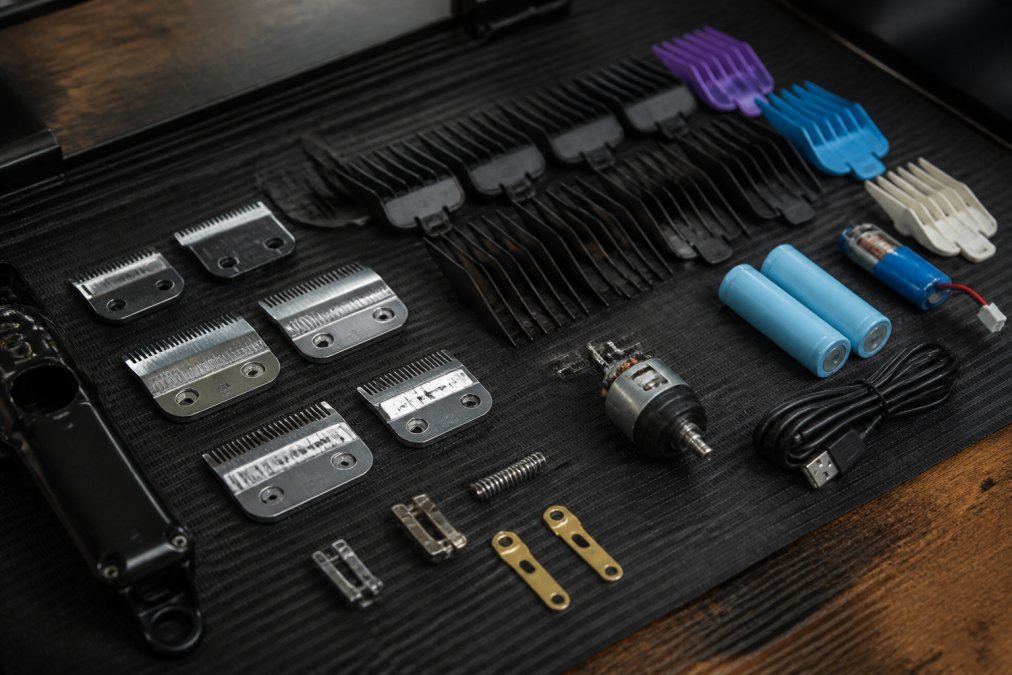
At Fade Supply Co, we understand that barbers need dependable tools they can count on. This guide covers everything you need to know about buying barber clipper replacement parts, diagnosing problems, and extending your equipment's lifespan.
Types of Barber Clipper Replacement Parts You'll Need
Barber clippers contain multiple components that wear out at different rates. Understanding each part helps you stock inventory strategically and troubleshoot issues before they become expensive problems.
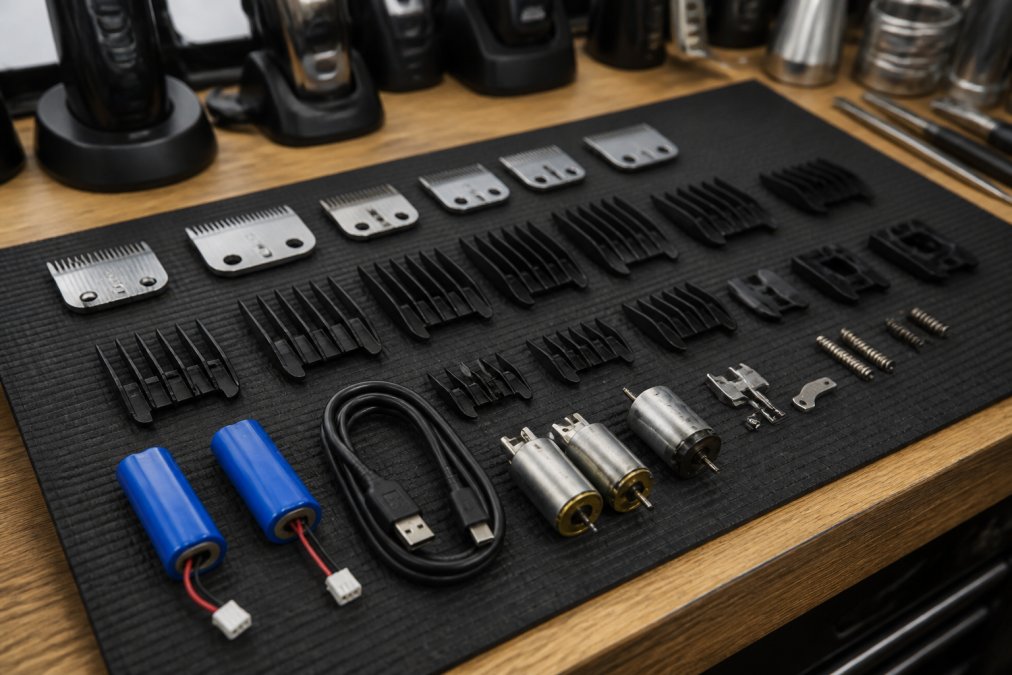
Replacement Blades and Cutters
The blade is the most frequently replaced component in any clipper. Fade and taper blades wear down with heavy use, and dull blades pull hair instead of cutting cleanly, damaging your reputation and client satisfaction.
Fade blades are designed for close cutting on the sides and back. Taper blades create gradual length transitions and are essential for blending. Deep tooth cutters handle thick or coarse hair without bogging down. Most professional barbers keep multiple blade options in rotation so they can swap out a worn blade immediately rather than waiting for a repair.
Clipper Batteries and Charging Components
Cordless clippers have become standard in modern barbering, which means battery reliability directly impacts your workflow. Lithium-ion batteries degrade over time with regular charging cycles.
A dying battery forces you to choose between working with low power or stopping mid-shift to charge. Keeping spare batteries means you never face that choice. Charging cords and dock connectors also fail with regular use. Stocking spare batteries and keeping charging equipment in good condition is cheap insurance against lost productivity.
Guide Combs and Attachment Sets
Guide combs and snap-on guards determine cutting length and are easy to lose or damage. A complete set typically includes guards for 1/8", 1/4", 3/8", 1/2", and longer lengths, though specific sizes vary by clipper model.
These attachments take abuse and get dropped, bent, and worn down by constant contact with hair and skin. A bent guard produces uneven cuts. Replacement attachment sets are inexpensive compared to the cost of a bad haircut complaint. Know your clipper model before ordering, incompatible attachments waste money.
Motor and Drive Yoke Assemblies
The motor is the heart of your clipper. A failing motor loses power, cuts unevenly, or stops working entirely. Motor replacement is one of the more expensive repairs, but it's often cheaper than buying a new clipper outright.
The drive yoke assembly connects the motor to the blade and transfers cutting power. Worn yokes create blade misalignment, which causes uneven cuts and accelerates blade wear. Tension springs keep the yoke assembly functioning smoothly. When springs weaken, the entire cutting action becomes unreliable.
Tension Springs, Screws, and Hardware Kits
Small hardware holds everything together. Tension springs maintain proper blade alignment and cutting pressure. Over time, springs weaken and lose their tension, causing blades to drift or vibrate.
Screws loosen with vibration and regular use. A loose screw can cause blade misalignment or allow components to shift during cutting. Hardware kits containing replacement springs, screws, and small fasteners are inexpensive and solve many common problems.
Foil Shaver Replacement Heads
Foil shavers are specialized tools for creating clean, sharp lines. The foil mesh wears out and eventually breaks, reducing cutting effectiveness. Replacement foil heads are specific to your shaver model.
Professional-grade foil shavers are worth maintaining because they deliver results that rotary clippers can't match. Keeping replacement heads on hand means you can swap out a worn head in seconds.
Clipper Blade Replacement: Fade and Taper Blade Options
Choosing the right blade depends on your cutting style and the hair types you work with most.
Fade blades excel at creating tight, clean fades from skin to length and work best on straight to wavy hair. Taper blades create smooth transitions between lengths and work well on curly and textured hair. The best approach is rotating between blade types throughout your day rather than forcing one blade to do everything.
Professional barbers typically keep at least two clipper setups, one optimized for fades and one for blending. Blade sharpening services exist, but for professional-grade work, replacement is usually the better choice. A sharpened blade never performs quite like a new one, and the downtime costs more than buying new blades.
How to Repair Barber Clippers and Know When to Replace Parts
Knowing when to repair versus replace saves money and prevents equipment failure during busy shifts.
Troubleshooting Diagnostic Guide
Blade pulls hair instead of cutting cleanly. This usually means a dull blade. Replace the blade. If a new blade still pulls hair, the issue might be blade alignment or a worn motor, both requiring service or replacement.
Clipper runs but cuts unevenly. Uneven cutting suggests blade misalignment or worn springs. Check that the blade is seated properly and that tension springs haven't weakened. If the blade is aligned correctly and springs are tight, the motor might be failing.
Battery dies quickly or won't hold a charge. Lithium-ion batteries degrade over time. If your battery is more than two years old, replacement is usually more cost-effective than repair.
Clipper vibrates excessively. Vibration indicates loose components or blade misalignment. Tighten all visible screws and check that the blade is seated correctly. If vibration continues, the motor bearing might be worn.
Clipper makes grinding or rattling sounds. These sounds suggest internal damage. Stop using it immediately. Continued use can damage the motor beyond repair, requiring professional service.
Charging dock won't power up the clipper. Check the power connection to the dock and the battery contacts for corrosion or debris. Clean contacts gently with a dry cloth. If the dock still doesn't work, the charging circuit might be damaged.
Installation Tutorials
Replacing most barber clipper replacement parts requires only basic tools, typically a small screwdriver and sometimes a wrench for blade screws.
Replacing a blade: Power off the clipper completely. Locate the blade screw and use the appropriate screwdriver to loosen it. Slide the old blade out carefully. Align the new blade with the slot and slide it in. Tighten the screw securely but don't over-tighten. Power on and test the blade alignment.
Installing guide combs: Most guide combs snap onto the clipper head or slide over the blade. For snap-on attachments, align the comb with the clipper head and press firmly until it clicks into place. For slide-on combs, slide them over the blade from the front.
Replacing a battery: Power off the clipper. Locate the battery compartment. Remove the old battery and insert the new one, ensuring the contacts align properly. Charge the new battery fully before first use.
Replacing tension springs: Power off the clipper and locate the spring assembly. Carefully remove the old spring by unhooking it from both ends. Install the new spring by hooking it into the same positions. Test the blade action, it should move smoothly without excessive play.
If any installation feels difficult or the clipper doesn't function correctly after replacement, seek professional service.
Clipper Motor Replacement Parts and Performance Restoration
The motor is the most expensive component to replace, but motor replacement is often more cost-effective than buying a new clipper.
A healthy motor delivers consistent cutting power throughout your shift. As motors age, they lose power, run slower, or cut unevenly. These problems compound, a weak motor forces multiple passes, which dulls blades faster and increases fatigue.
Motor replacement typically requires professional service because the motor must be properly aligned with the drive yoke and blade system. If your clipper is less than five years old and the motor fails, replacement is usually worthwhile. If the clipper is older, you might be better off investing in a new unit.
Performance restoration also includes replacing the drive yoke assembly and carbon brushes, which wear out over time. Replacing brushes is simpler than motor replacement and can restore performance if the motor itself is still sound.
Genuine vs. Aftermarket Replacement Parts
The choice between genuine and aftermarket parts affects both cost and performance. Genuine parts are made by the clipper manufacturer and guaranteed to fit and function correctly. Aftermarket parts are made by third parties and often cost less.
Genuine parts carry a warranty and are engineered to match your specific clipper model. The downside is cost, genuine parts typically cost 20-40% more than aftermarket alternatives.
Aftermarket parts vary widely in quality. Some are excellent and nearly identical to genuine parts. Others fail quickly or don't fit properly. The best approach is buying genuine parts for critical components like motors, batteries, and drive assemblies. For consumables like blades and guide combs, aftermarket options can work well if they're from a reputable manufacturer.
Always verify compatibility before purchasing any replacement part. A part that fits a Wahl clipper won't work with an Andis clipper, even if they look similar.
Clipper Maintenance and Repair Kits for Long-Term Tool Longevity
Preventive maintenance is cheaper than emergency repairs. A good maintenance routine extends clipper lifespan by years and prevents most common problems before they start.
Daily maintenance takes five minutes. After each client, brush hair and debris from the clipper head using a soft cleaning brush. Never use water or compressed air. Weekly maintenance includes blade inspection and lubrication. Apply a small amount of clipper oil to the blade area and clean the charging dock contacts with a dry cloth.
Monthly maintenance includes replacing worn parts before they cause problems. Inspect tension springs for weakness, check that all screws are tight, and test battery performance.
Clipper maintenance kits typically include cleaning brushes, lubrication oil, replacement springs, screws, and sometimes a small screwdriver set. These kits are inexpensive and keep essential maintenance supplies organized and accessible.
Sustainability and Repairability: Extend Your Clipper's Life
Repairing clippers instead of replacing them is better for your budget and the environment. A clipper that's maintained and repaired can last 10+ years, while a neglected clipper might fail after 2-3 years.
When choosing clippers, consider long-term repairability. A slightly more expensive clipper that's easy to repair and has available parts is a better investment than a cheap clipper that's difficult to service.
Keeping detailed maintenance records helps you track which parts wear out and how often. This data guides your purchasing decisions and helps you anticipate failures before they happen.
Investing in quality barber clipper replacement parts and maintaining your equipment keeps your station productive and your clients satisfied. The cost of preventive maintenance is far less than the cost of downtime or equipment failure. Fade Supply Co provides the professional-grade replacement parts and equipment you need to keep your business running smoothly. Explore our collection of clipper parts, batteries, blades, and maintenance kits designed for barbers who demand reliability. Learn more about professional barber equipment standards
Frequently Asked Questions
Where can I buy genuine barber clipper replacement parts?
Professional-grade replacement parts are available through dedicated barber supply retailers that specialize in professional grooming tools. When shopping for barber clipper replacement parts, verify compatibility with your specific clipper model and look for retailers that stock genuine parts rather than universal aftermarket alternatives. Fade Supply Co carries professional-grade replacement parts selected for durability and performance in high-volume shops.
How do I know which clipper blade replacement parts fit my clippers?
Blade compatibility depends on your clipper's model and brand. Check your clipper's manual or the manufacturer's specifications to identify whether you need fade blades, taper blades, or deep tooth cutters. Most professional clippers use standardized blade sizes, but attachment methods vary. When in doubt, reference your clipper's model number to ensure you order the correct clipper blade replacement parts.
Is it cheaper to repair barber clippers or buy new ones?
Repair costs depend on which parts need replacement. Replacing a blade, battery, or tension spring typically costs less than purchasing a new clipper. However, if your motor or drive yoke assembly fails, repair costs may approach the price of a new unit. Professional-grade clippers are built for repairability, making them a worthwhile investment. High-volume barbers often find that maintaining equipment with quality replacement parts extends tool longevity and saves money over time.
What are the most common barber clipper parts that need replacing?
The most frequently replaced parts include replacement blades (fade and taper blades wear fastest), clipper batteries and charging cords (especially in cordless models), guide combs and attachment guards, and carbon brushes in the motor. Tension springs and clipper hinges also experience wear in high-volume shops. Keeping these common parts in stock ensures your clippers stay functional without extended downtime.
This article was written using GrandRanker