

Table of Contents
- Understanding Motor Types: Rotary, Magnetic, and Pivot
- Blade Material and Quality: What Actually Matters
- Cordless vs Corded Barber Clippers: Which Fits Your Workflow
- Best Clippers for Smooth Skin Fades and Precision Work
- How to Maintain Barber Clipper Blades for Longevity
- Ergonomics, Weight, and Guide Combs: Comfort Meets Control
- Professional-Grade Clippers Worth the Investment
- Frequently Asked Questions
Last Updated: September 21, 2026
Understanding Motor Types: Rotary, Magnetic, and Pivot
The motor is the heart of any clipper, and when you choose barber clippers, selecting the right one fundamentally shapes how your clippers perform across different cutting styles. When you're learning how to choose barber clippers, understanding motor types is where most decisions begin.
Rotary motors deliver consistent, powerful torque at a steady RPM. They excel at bulk cutting and work well with thick or coarse hair. The Wahl 5 Star Cordless Senior Clipper uses a rotary motor that handles dense hair with ease, making it a solid choice for high-volume shops where you're moving through clients quickly. Rotary motors tend to run cooler and quieter than alternatives, which matters when you're working eight hours a day.

Magnetic motors cycle on and off, creating that distinctive clicking sound many barbers prefer. They're lighter and more responsive to pressure changes, which gives you better feel and control during detail work. This responsiveness makes magnetic motors ideal for precision fading and clipper-over-comb techniques where feedback matters.
Pivot motors sit between the two, offering a balance of power and control. They're less common in modern clippers but still appear in some professional-grade models. The key difference: pivot motors adapt their speed based on resistance, so they slow down when cutting thick hair and speed up on thinner sections.
The choice comes down to your workflow. High-volume shops typically prefer rotary motors for their durability and consistent power.
Blade Material and Quality: What Actually Matters
Blade quality directly determines how long your clippers stay sharp and how smoothly they cut. This is where cheap clippers reveal their weakness within weeks.
Stainless steel blades are the baseline. They're affordable and adequate for light use, but they dull quickly under professional workload. After a few months of daily use, you'll notice pulling instead of clean cutting.
Titanium and DLC-coated blades stay sharp significantly longer. The Wahl 5 Star Black Cord/Cordless Magic Clip features titanium and DLC coating that keeps blades sharp up to four times longer than standard steel. That's not marketing, it's the difference between replacing blades every month versus every four months.

Ceramic blades offer another option, though they're less common in cordless clippers. They resist heat buildup and maintain sharpness well, but they're more brittle and require careful handling.
What matters most: blade adjustability and zero-gap capability. A zero-gap adjustable blade means you can tighten the blade for skin-tight fades or loosen it slightly for blending. The Wahl 5 Star Cordless Senior Clipper includes 2191 blades with zero-overlap adjustability, giving you the precision needed for clean fade work without extra passes.
Cordless vs Corded Barber Clippers: Which Fits Your Workflow
This decision affects your daily efficiency more than most barbers realize. Both have legitimate advantages depending on your setup.
Cordless clippers offer freedom of movement and eliminate cable management. Modern lithium-ion batteries deliver 70-150 minutes of runtime depending on the model. The Wahl 5 Star Vapor Clipper provides 150 minutes per charge with 60-minute charge time, meaning you can charge during lunch and work the full day. For mobile barbers working out of a car or traveling between locations, cordless is non-negotiable.

The trade-off: cordless clippers are heavier due to battery weight, and battery degradation means eventual replacement cost.
Corded clippers provide unlimited runtime and lighter weight. They're ideal for stationary shops where you're working from a single chair. The cord becomes irrelevant once you establish your station layout. Corded models typically cost less upfront.
The practical reality: most professional barbers use both. A corded clipper at your main station for bulk work, plus a cordless backup for mobility and client comfort (some clients prefer the freedom of cordless work). The Wahl 5 Star Black Cord/Cordless Magic Clip offers both capabilities in a single tool, giving you flexibility without the dual-clipper investment.
Mobile barbers and shop owners managing multiple chairs should prioritize cordless. Stationary barbers can optimize with a primary corded clipper and one quality cordless backup.
Wahl 5 Star Black Cord/Cordless Magic →
Best Clippers for Smooth Skin Fades and Precision Work
Achieving smooth skin fades requires specific blade geometry and motor characteristics. Not every clipper handles this equally well.
Blade design matters most here. The F32 FADEOUT blade in the Wahl 5 Star Vapor Clipper features 32 fine ball-point teeth designed specifically for smooth gliding and reduced snagging. That tooth count and geometry directly impacts fade quality. Fewer teeth create visible lines; too many teeth can cause pulling on coarse hair. The 32-tooth design splits the difference, working across hair textures.
Zero-gap adjustability is non-negotiable for fade work. You need to tighten the blade flush for skin contact without gaps, then adjust for blending passes. The Wahl 5 Star Cordless Senior Clipper's adjustable 2191 blades give you this control without requiring blade swaps.
Motor speed and consistency prevent blade chatter, which creates visible lines in fades. The Wahl 5 Star Vapor's brushless motor delivers 8,000 RPM with adaptive speed control, maintaining power even when cutting thicker hair at the nape. Older clippers with inconsistent RPM create uneven fades because the blade speed fluctuates.
A common mistake is assuming any professional clipper handles fades equally. They don't. The difference between a smooth, gradual fade and a visibly stepped one often comes down to blade geometry and motor consistency, not clipper brand alone.
How to Maintain Barber Clipper Blades for Longevity
Maintenance directly extends blade life and prevents the gradual performance decline that forces early replacement.
Daily oiling is non-negotiable. A few drops of clipper oil on the blade before and after each client session prevents friction buildup and heat damage. This takes thirty seconds and costs pennies. Skipping this step ages your blades by months.
Weekly deep cleaning removes hair buildup in the blade gaps.
| Maintenance Task | Frequency | Time Required | Impact |
|---|---|---|---|
| Oil blades | Daily (before/after clients) | 1 minute | Prevents friction and heat damage |
| Clean blade gaps | Weekly | 3 minutes | Removes hair buildup, maintains cutting consistency |
| Sanitize blades | Between every client | 1 minute | Hygiene and prevents corrosion |
| Professional sharpening | Monthly to quarterly | N/A (send out) | Restores sharpness without replacement |
| Inspect for damage | Weekly | 2 minutes | Catches wear before performance drops |
Ergonomics, Weight, and Guide Combs: Comfort Meets Control
You hold your clippers for six to eight hours daily. Weight and balance directly impact hand fatigue, precision, and long-term wrist health.
Professional-Grade Clippers Worth the Investment
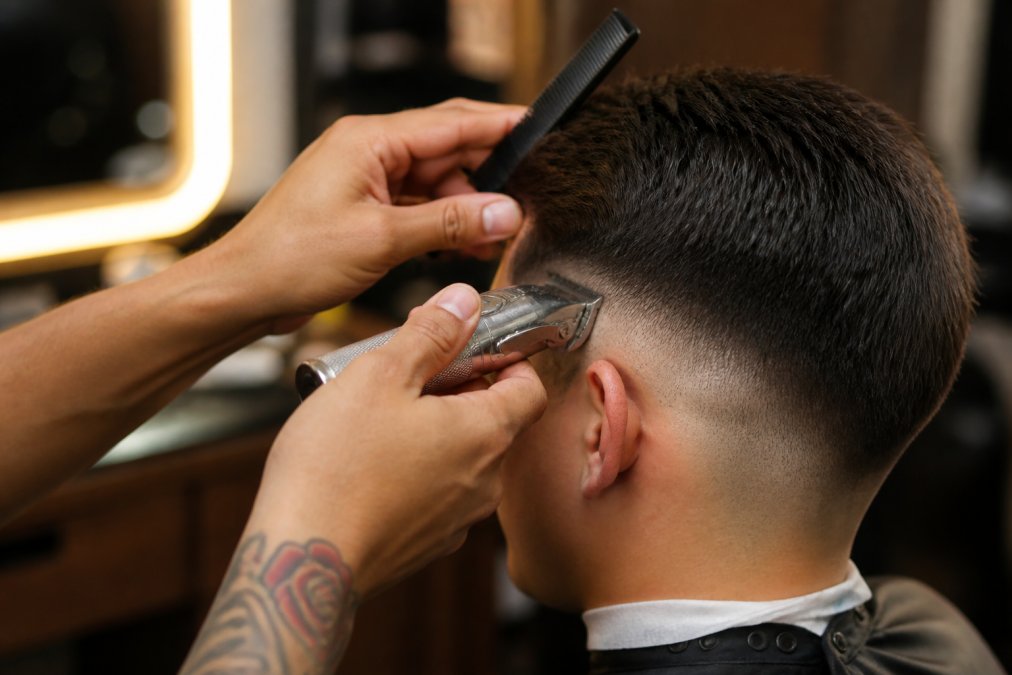
Professional-grade clippers cost more upfront, but the cost-per-use over their lifespan is lower than repeatedly replacing budget models.
Frequently Asked Questions
What does the clipper guard number system actually represent?
Clipper guard numbers indicate cutting length in fractions of an inch. A #1 guard cuts to 1/8 inch, #2 to 1/4 inch, and so on up to #8 (1 inch). Premium cutting guides like those included with the Wahl 5 Star Cordless Senior Clipper range from 1/16" to 1", giving you precise control over fade transitions and blending. Understanding this system lets you replicate consistent fade lines and match client preferences accurately.
Are cordless clippers reliable enough for a full day in the shop?
Modern cordless clippers with lithium-ion batteries deliver 70-150 minutes of runtime per charge, enough for most full shifts. The Wahl 5 Star Vapor Clipper offers 150 minutes of runtime with a 60-minute charge, while the Wahl 5 Star Cordless Senior provides 70 minutes. For high-volume shops, having a second clipper on charge or using cord/cordless models ensures you never lose productivity. Battery technology has matured significantly, making cordless options genuinely dependable for professional use.
What's the difference between a fading clipper and a bulk removal clipper?
Fading clippers prioritize precision with zero-gap adjustable blades and fine-tooth designs for clean, tight lines, ideal for skin fades. The Wahl 5 Star Vapor Clipper with its F32 FADEOUT blade excels here. Bulk removal clippers use wider, more aggressive blade patterns to cut through thick hair quickly without close detail work. Many professionals choose one primary clipper for both tasks rather than owning separate tools, selecting models with versatile blade systems that handle both fades and bulk cutting efficiently.
How often should professional barber clippers be serviced or replaced?
Professional clippers with proper maintenance last 3-5 years in high-volume shops. Daily oiling and cleaning extend blade life significantly. DLC-coated blades like those on the Wahl 5 Star Vapor stay sharp up to 4 times longer than standard steel. When cutting performance drops noticeably or repairs become frequent, replacement is more cost-effective than continued servicing.
What key differences exist between magnetic, pivot, and rotary motor clippers?
Rotary motors (like those in the Wahl 5 Star Cordless Senior) deliver consistent power ideal for thick or textured hair and all-day professional use. Rotary motors are the industry standard for reliability and durability in high-volume shops, though they're slightly heavier. Choose based on your primary cutting style: rotary for power and consistency.
How do I know if a clipper will actually give me skin-tight fades without pulling hair?
Look for zero-gap adjustable blades with fine-tooth designs and DLC or titanium coatings. The Wahl 5 Star Vapor Clipper's F32 FADEOUT blade features 32 fine ball-point teeth specifically engineered to reduce nicks and snags while delivering ultra-close cuts. Blade sharpness matters enormously, even premium clippers pull hair when dull. Regular oiling maintains the smooth, gliding cut that prevents pulling.
What makes professional-grade clippers worth the investment over consumer options?
Professional clippers use higher-quality motor systems, durable blade coatings, and precision engineering built for daily high-volume use. Consumer clippers lack the power consistency, blade longevity, and ergonomic design needed for 8+ hours of cutting. Professional models like the Wahl 5 Star series deliver 6,500-8,000 RPMs with adaptive speed control, titanium or DLC-coated blades that stay sharp 4 times longer, and metal housings that withstand constant use. The upfront cost ($140-$230) pays for itself in reduced downtime, fewer repairs, and consistent cutting quality that justifies premium pricing to clients.