

Quick Summary
To evaluate online barber supply return policies, check the return window and when its clock starts, the required item condition, any restocking fees, and who pays return shipping. Opened clippers, blades and consumables are often treated differently, so read each category's rules and save a dated copy of the policy page.
- Count the return window from delivery, not from the order date, since shipping eats into your time.
- Opened electrical tools are often treated as used, so confirm whether guards, combs and chargers are required.
- Blades, liquids and hygiene-sensitive products are commonly final sale once the packaging is opened.
- Ask what refund you actually receive after any restocking fee and return shipping are deducted.
- Save a dated screenshot of the return policy page before you place the order.
Table of Contents
- Why Return Policies Matter Before You Order Barber Tools
- Step 1: Check the Return Window and Deadline Calculation
- Step 2: Confirm Item Condition and Eligibility Rules
- Step 3: Read the Fine Print on Restocking Fees and Refund Deductions
- Step 4: Understand Returning Opened Barber Clippers and Trimmers
- Step 5: Compare Warranty Coverage Against Return Rights
- Step 6: Build a Pre-Purchase Checklist and Escalate Disputes
- Your Next Step: Save Your Policy Before You Place the Order
- Frequently Asked Questions
Last Updated: November 5, 2026
Choosing where to buy barber tools is about more than price and shipping speed. When a clipper arrives with a blade problem, or a trimmer fails after two weeks in a busy shop, the return policy decides whether you get your money back or stuck with a loss. This guide walks through how to evaluate online barber supply return policies before you place an order. The steps below are the checks a working barber should run before placing an order.
A return policy is the set of rules a retailer uses to decide whether you can send an item back, how long you have, and what you get back. Most of those rules sit in a short page near the footer, and most barbers never read it.
Why Return Policies Matter Before You Order Barber Tools
Barber tools vary widely in quality and use, and a clipper used every day in a shop puts real demands on its return terms. If it fails or does not match what you expected, the return policy decides how much you lose.
Many barbers assume every retailer offers the same protection. That is rarely true. Some stores accept returns for a set number of days, some charge a restocking fee, and some treat opened equipment as final sale. Knowing these rules before checkout saves you from an expensive surprise later.
A quick read of the policy page also tells you how the store handles problems. A clear, specific policy makes the buying experience easier to predict than a vague one.
Step 1: Check the Return Window and Deadline Calculation
The return window is the number of days you have to send an item back. Start here, because it is the rule you will rely on most.
- Find the exact number of days the policy allows.
- Check what the clock starts from: date of delivery, date of purchase, or date of shipment.
- Note whether weekends and holidays count.
- Confirm whether the window applies to the full order or to each item separately.
A common mistake is assuming the clock starts on the day you order. If the window runs from delivery and shipping takes a week, you may have far less time than the number suggests. Count the days on a calendar the day the box arrives.
Watch out: a 30-day window measured from the purchase date can leave you only a few days to test a clipper that arrived late.
Step 2: Confirm Item Condition and Eligibility Rules
Next, check what condition the item must be in for a return to be accepted. Many policies require the item to be unused, in original packaging, and with all included accessories.
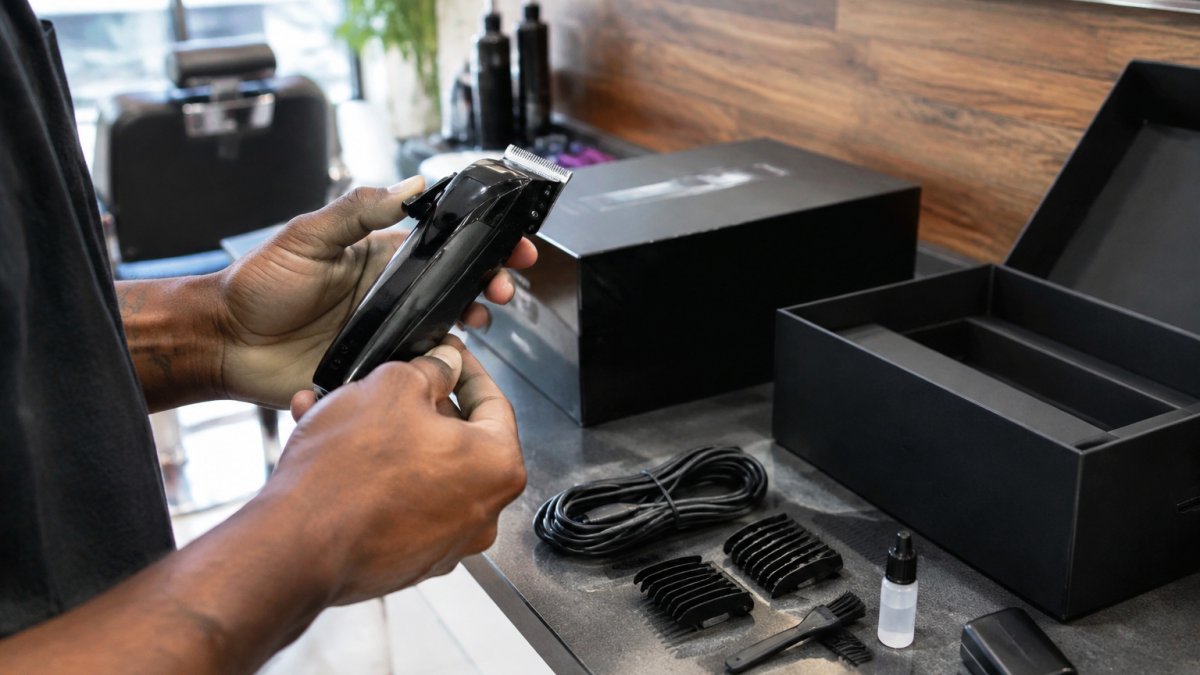
- Is the item required to be in original condition?
- Does the policy list signs of use that can lead to a refusal?
- Are certain products marked as final sale or nonreturnable?
- Is proof of purchase or an order number required?
Barber tools often come with guards, blades, oil, and cases. Missing one piece can cause a refund to be reduced or denied. Keep every part of the box until you are sure the item works for you.
Step 3: Read the Fine Print on Restocking Fees and Refund Deductions
A return that looks free can still cost you money. Look for restocking fees and deductions that reduce your refund.
- Check whether a restocking fee applies, and how much it is.
- See whether original shipping charges are refunded.
- Confirm who pays the cost of return shipping.
- Note whether any deduction applies if the item shows use.
Ask yourself one question: if I return this item, what amount do I actually get back? If the policy does not answer that clearly, treat it as a warning sign.
Step 4: Understand Returning Opened Barber Clippers and Trimmers
Opened clippers and trimmers are often among the harder categories to return. Return rules in this industry split by product type, and a policy that reads generously for a cape can be strict for a blade. Evaluate each item on your order separately rather than assuming one policy covers the whole cart.
Electrical tools (clippers, trimmers, shavers). Many policies treat an opened electrical tool as used once the seal is broken, even if it never touched a client.

Blades and cutting attachments. Detachable blades, guards, and replacement cutters are frequently listed as final sale or nonreturnable once the packaging is opened, because they cannot be verified as unused. If you are buying a blade to test a fit, confirm the return terms before you open the wrapper.
Liquids, powders, and consumables. Aftershaves, talc, clipper oil, disinfectants, and single-use items are usually nonreturnable once opened for hygiene and safety reasons. Some sellers will not accept them back even unopened if the outer seal is broken. Treat these as committed purchases.
Hygiene-sensitive grooming products. Neck strips, razors, and anything that contacts skin or blood are commonly final sale. A policy may say "nonreturnable for hygiene reasons" without listing the products, so read the exclusions list and match it to your cart.
Defective versus change-of-mind. A defective clipper out of the box is usually handled under a separate damaged-or-defective process, often with a replacement rather than a refund. A change-of-mind return on the same clipper may be refused once opened. Confirm which path applies before you call support, because the two have different deadlines and evidence requirements.
- Check whether opened or used equipment is eligible, and whether "opened" and "used" are defined separately.
- Look for any language about hygiene, sanitized items, or consumables.
- Confirm whether a defective or damaged item is handled separately from a change-of-mind return.
- Find out if the store asks for photos or a description of the problem first.
- Verify that every accessory in the box is present before you request a return.
Watch out: a policy that accepts "unused" returns can still refuse an opened clipper if the store defines opened as used, so read the definition rather than the headline.
The article breaks opened-tool returns into categories, and each category has different return rules.
| Product type | Typical return rule | What to check |
|---|---|---|
| Electrical tools (clippers, trimmers, shavers) | Often treated as used once opened | Whether guards, combs, oils and chargers are present |
| Blades and cutting attachments | Often final sale once packaging is opened | Return terms before opening the wrapper |
| Liquids, powders and consumables | Usually nonreturnable once opened | Whether the outer seal is broken |
| Hygiene-sensitive grooming products | Commonly final sale | The exclusions list against your cart |
| Defective tools | Handled separately, often with a replacement | Deadlines and evidence needed before contacting support |
Step 5: Compare Warranty Coverage Against Return Rights
A warranty and a return policy are not the same thing. A return policy covers the early period after purchase. A warranty covers defects over a longer time. Many barbers mix them up.
- Note how long the return window lasts compared with the warranty period.
- Check whether the warranty comes from the store or the manufacturer.
- See whether the warranty covers normal wear or only manufacturing defects.
- Confirm how to make a warranty claim and whether you need the original packaging.
If a clipper fails after the return window closes but within the warranty period, the warranty is your main protection. Save the warranty terms with your order record.
Step 6: Build a Pre-Purchase Checklist and Escalate Disputes
Before you check out, use a short checklist. Write down the answers so you can compare stores side by side.
- Return window length and start date
- Required item condition and packaging
- Restocking fee amount, if any
- Who pays return shipping
- Refund method and processing time
- Opened or used equipment eligibility
- Warranty length and claim steps
- Contact method for disputes
Save evidence as you go. Policies change, and a saved copy can help if the terms shift after purchase. Keep a dated screenshot of the return policy page, the order confirmation, the tracking record, and every support message. If a dispute later turns on what the policy said on the day you bought, that dated copy is the record that matters.
Escalate in order. If a return is refused or a refund is delayed, work up the ladder rather than starting at the top.
- Contact customer service in writing, cite the specific policy language, and state the outcome you want. Keep the thread.
- If the first response does not resolve it, ask for a supervisor or the returns manager and reference your earlier ticket number.
- If the store still refuses, send a written summary of the timeline and the policy language you relied on, and request a final decision in writing.
- If the purchase was defective or not as described, use your payment method's dispute process. Many card networks and payment providers allow a chargeback for goods not received or not as described; check your provider's process (§ 1026.13 Billing error resolution.).
When the policy conflicts with the order experience. If the listing said one thing and the policy page says another, save both. A common pattern is a product page that promises free returns while the policy page adds a restocking fee. In that case, cite the product-page language in your first written message and ask the store to honor the terms shown at checkout.
Watch out: verbal promises from a phone call are hard to enforce, so ask support to confirm the resolution by email before you ship anything back.
Your Next Step: Save Your Policy Before You Place the Order
Before you buy, screenshot or save the return policy page with the date. Policies change, and a saved copy protects you if the terms shift after your purchase. Compare your checklist answers across two or three suppliers, then order from the store whose rules fit how you work.
For current pricing, delivery options, or a quote for a shop order, check the Fade Supply Co website. Policy details are published there, and you can review them before you commit.
Frequently Asked Questions
What is the typical return policy for online barber supply stores?
Return policies differ by retailer, so there is no single standard. Most stores set a return window measured from the delivery date, require items in original condition with original packaging, and may charge a restocking fee or deduct original shipping costs. Read the policy page for each store you consider, and check whether it covers opened or used equipment, since many retailers treat clippers and trimmers differently from unopened consumables.
Can you return opened clippers or trimmers to a barber supply store?
Sometimes, but it depends on the store's policy. Many retailers accept opened equipment only if it is defective, damaged, or incorrect. Others allow returns of opened items in resellable condition, sometimes with a restocking fee. Before opening any clippers, confirm whether the policy treats unused-but-opened items as eligible, and keep the original packaging and included accessories intact.
Who pays return shipping for barber supplies bought online?
Policies vary. Some stores provide a prepaid shipping label for defective or incorrect items but charge the customer for returns made because of a change of mind. Others deduct the original shipping charge from the refund. Check whether the store issues a shipping label, what carrier it uses, and whether you need a return authorization number before you ship anything back.
How do I compare barber supply return policies across different stores?
Build a simple side-by-side table with five columns: return window length, condition requirements, restocking fee, who pays return shipping, and refund method. Fill it in for each store you are considering. Note any exclusions for final-sale or nonreturnable items, and save a screenshot or PDF of the policy at the time of purchase so you can refer to it if the terms change later.
